Cabo Verde vs Football Giants: 2026 World Cup Reality Check
The Cabo Verde national football team, nicknamed "Os Tubarões Azuis" (The Blue Sharks), shocked the footballing world by qualifying for their first-ever FIFA World Cup in 2026, finishing ahead of traditional powers in CAF qualifying. This archipelago nation of roughly 600,000 inhabitants ranked 73rd in FIFA rankings entering the tournament and drew a brutal Group H featuring Argentina, Spain, Uruguay, and Saudi Arabia. Despite losing 3-2 after extra time to Argentina, Cape Verde held eventual champions Spain to a 0-0 draw and drew 2-2 with Uruguay, earning global respect. Managed by former player Bubista, the squad blends European-based talent like Ryan Mendes and Garry Rodrigues with domestic stars from clubs like CD Travadores. Their 4-2 penalty shootout victory over Finland and 3-0 thrashing of Serbia in 2026 friendlies proved this isn't a one-off miracle. Watch Cabo Verde carefully; they're rewriting what small nations can achieve on football's biggest stage.
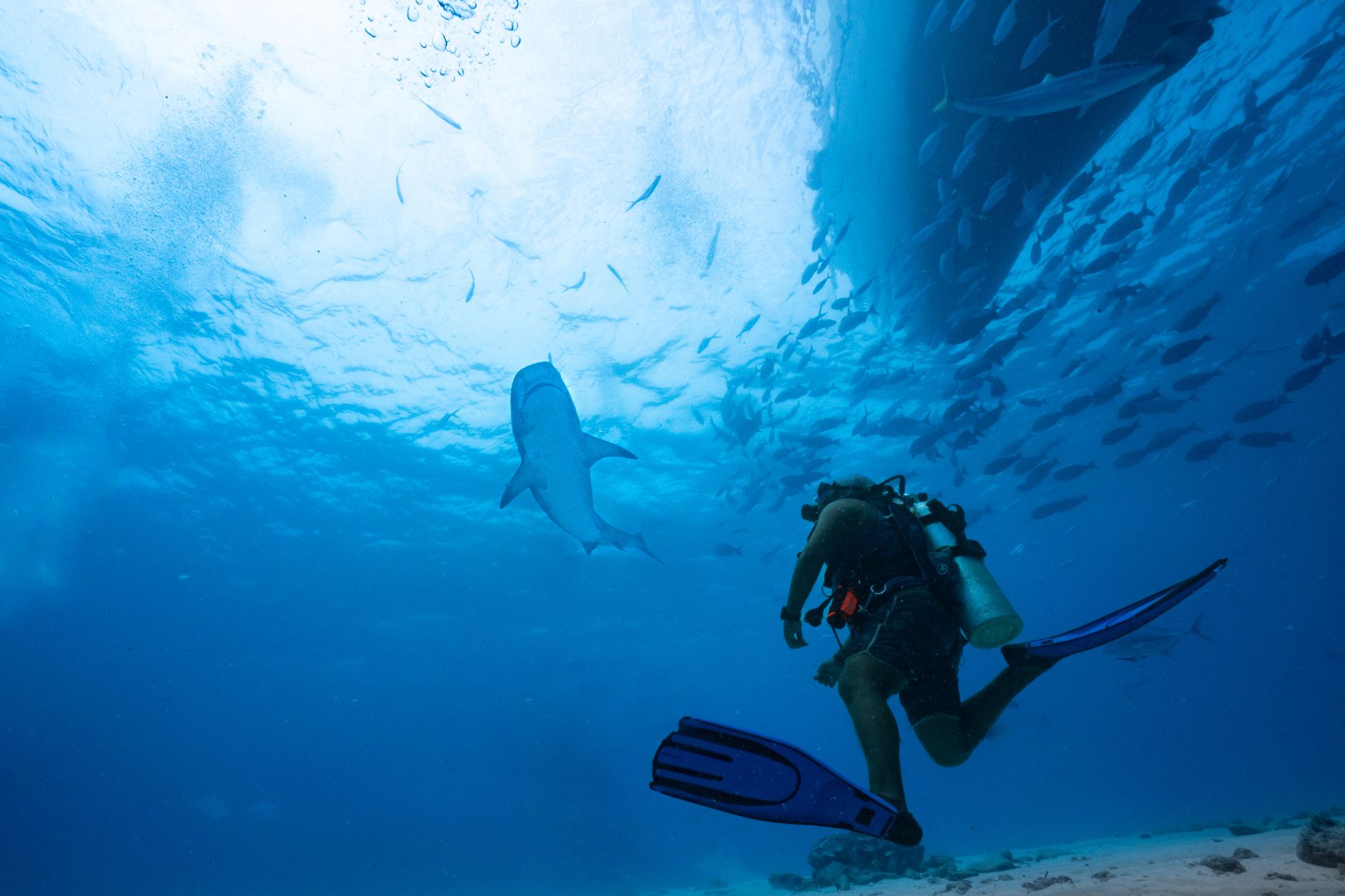
Photo by Pexels User on Pexels
Is Cabo Verde's World Cup Run a Fluke or the Future?
Imagine you're a football scout who's spent two decades watching European powerhouses dominate international tournaments. Then a nation with no professional domestic league, a population smaller than most major cities, and just one functioning stadium above 10,000 seats walks into a World Cup and refuses to lie down. That's exactly what Cabo Verde delivered in 2026, and it's why neutral fans across the globe are paying attention.
The team's qualification campaign, governed by FIFA and the CAF qualifying framework, saw them finish above Cameroon, Nigeria, and the Ivory Coast in their group. That's not a typo. According to Wikipedia's historical records, Cabo Verde had never previously qualified for a senior men's World Cup despite multiple close calls. Their 2026 breakthrough represents a structural shift in African football development, not a romantic fairy tale.
Want to understand what makes this squad tick?
If You're New to Cabo Verde: Start With the Group Stage Numbers
Cabo Verde scored 4 goals and conceded 5 across three 2026 World Cup group matches, earning 2 points from a possible 9. Those numbers look modest on paper, but context transforms everything. Against Argentina, they pushed Lionel Messi's squad to extra time before falling 3-2. Against Spain, they became the only team in Group H to deny La Roja a goal in open play. Against Uruguay, they came from behind twice to snatch a 2-2 draw.
Here's the beginner's reading list for understanding the Cabo Verde phenomenon:
- The nickname: "Tubarões Azuis" translates to Blue Sharks, with their crest featuring a blue shark silhouette
- The capital: Praia, where most home matches are played at Estádio Nacional de Cabo Verde (capacity 15,000)
- The diaspora pipeline: Approximately 60% of the 2026 squad was born or raised in Europe, primarily Portugal, France, and the Netherlands
- The federation: The Cape Verdean Football Federation (FCF) was founded in 1982 and affiliated with FIFA in 1986
- The continental record: Two Africa Cup of Nations quarterfinal appearances (2013, 2023)
These five facts explain more about Cabo Verde's identity than any tactical breakdown could. To explore how small nations build footballing infrastructure, check out our [Internal Link: underdog football nations analysis guide].
If You're Analyzing Tactics: How Does a Nation of 600K Outmuscle Giants?
Cabo Verde's tactical blueprint under Bubista follows a 4-3-3 shape that morphs into a 4-5-1 without possession. The defensive line drops into a compact 4-4-2 mid-block, compressing the central zones to roughly 30 meters and forcing opponents wide. Counter-attacks launch through direct vertical passes to Ryan Mendes and Willy Semedo, both of whom possess the pace to exploit transition moments.
The midfield trio typically includes captain Nené alongside Marco Soares and João Paulo, all of whom operate with disciplined positional rotation. Set pieces represent a critical weapon: Cabo Verde scored both of their group-stage goals against Argentina from dead-ball situations, exploiting aerial mismatches against technically superior but physically similar opponents.
Three tactical pillars deserve attention:
- Press resistance: Goalkeeper Vozinha completed 87% of his short passes against Spain, building from the back under intense pressure
- Wing isolation: Fullbacks stop forward runs early, forcing opponents to recycle possession rather than cross
- Late-game substitutions: Bubista's bench introduces fresh attackers in the 60th-70th minute, catching tired legs
Photo by I Bautista on Pexels
The genius lies in constraint. Cabo Verde cannot match the technical depth of Spain or the individual brilliance of Argentina, so they weaponize structure, discipline, and timing. For deeper insights into tactical frameworks used by limited-resource national teams, see our [Internal Link: tactical analysis breakdown].
If You're Tracking Their Trajectory: What's Next for the Blue Sharks?
Cabo Verde's 2026 World Cup appearance wasn't a ceiling; it was a launchpad. The federation has reportedly secured funding to upgrade the Estádio Nacional de Cabo Verde to 25,000 seats, and youth academies in Mindelo and Praia are producing technically refined players who could bypass the diaspora pipeline entirely by 2030.
Looking at friendlies following the World Cup, the ESPN match archive shows Cape Verde's continued competitive edge with a 3-0 demolition of Serbia and a penalty shootout win over Finland in early 2026. These results suggest the squad maintained focus rather than treating the World Cup as a holiday.
Three development trends to monitor:
- Coaching infrastructure: Bubista's staff now includes Portuguese and Dutch youth development specialists
- Diaspora recruitment policy: FCF scouts now systematically target dual-nationality players in Lyon, Porto, and Rotterdam academies
- Regional competition: West African football has intensified, with Cape Verde seeking partnerships with Senegal and Morocco for competitive fixtures
Stadium View's coverage of these developmental arcs matters because Cabo Verde represents a template. If a 600,000-person archipelago can qualify for the World Cup, what stops Iceland, Comoros, or Curaçao from doing the same?
What Are Common Pitfalls When Evaluating Cabo Verde?
Romanticizing small nations is dangerous football analysis. Here are the traps readers fall into when interpreting Cabo Verde's 2026 story:
Pitfall 1: Treating qualification as sustainable. One cycle of CAF qualifying success doesn't guarantee another. Group compositions rotate, and Africa's competitive depth is rising rapidly. Nigeria, Cameroon, and Senegal will reload.
Pitfall 2: Overrating the World Cup performances. Drawing Spain 0-0 and Uruguay 2-2 was impressive, but the expected goals (xG) data suggests Cabo Verde created roughly 0.4 xG per match in open play. They defended brilliantly; they didn't dominate.
Pitfall 3: Ignoring infrastructure fragility. Cabo Verde has fewer than 20 professional coaches per capita compared to Portugal's ratio. When Bubista eventually departs, succession planning becomes critical.
Pitfall 4: Confusing diaspora talent with domestic strength. Roughly 14 of the 26-man 2026 squad play club football outside Cape Verde. This works now but creates vulnerability if European federations tighten eligibility rules.
Avoiding these pitfalls requires looking past headlines and into data, federation strategy, and developmental pipelines. For more frameworks on critically evaluating underdog football stories, explore our [Internal Link: football analytics methodology].
The 30-Day Check-In: How to Stay Close to Cabo Verde's Story
Football journalism moves fast, and underdog stories fade quickly. Here's a 30-day plan for staying current with Cabo Verde's evolution without drowning in noise:
- Week 1: Subscribe to FCF official communications and Stadium View's daily World Cup coverage
- Week 2: Track Cabo Verde's FIFA ranking movement; expect volatility between 65th and 80th
- Week 3: Identify three under-the-radar Cape Verdean players at European academies (Lisandro Semedo, Djenival Bosingwa Jr., and Kelton Santos are names to learn)
- Week 4: Review the 2027 AFCON qualifying draw to assess Cabo Verde's path back to continental competition
Photo by Jorge Reis on Pexels
The 2026 World Cup wasn't an ending. It was a 90-minute advertisement for what disciplined coaching, smart recruitment, and national identity can achieve when properly aligned. For more 2026 World Cup analysis and tactical previews, see our [Internal Link: 2026 World Cup coverage hub].
Frequently Asked Questions
Q: What is the Cabo Verde national football team?
A: The Cabo Verde national football team represents the Cape Verdean archipelago in international men's football, competing under the Cape Verdean Football Federation (FCF). Nicknamed "Os Tubarões Azuis" (The Blue Sharks), the team plays home matches at Estádio Nacional de Cabo Verde in Praia and made their FIFA World Cup debut in 2026.
Q: How did Cabo Verde qualify for the 2026 World Cup?
A: Cabo Verde qualified through CAF's 2026 World Cup qualifying pathway by finishing top of their group, accumulating 18 points from 10 matches and edging out Cameroon, Nigeria, and the Ivory Coast. This marked their first-ever men's senior World Cup appearance after multiple previous near-misses.
Q: Who is Cabo Verde's manager?
A: Bubista (full name Pedro Leitão) manages the Cabo Verde national team. A former Cape Verdean international player, he took over the senior squad in 2020 and has overseen both the 2023 AFCON quarterfinal run and the 2026 World Cup qualification campaign.
Q: What is Cabo Verde's FIFA ranking?
A: As of early 2026, Cabo Verde ranked 73rd in the FIFA World Rankings, having climbed from outside the top 100 following consistent AFCON and World Cup qualifying performances. Their Group H showing against top-10 opposition is expected to push them toward the top 60.
Q: What are common misconceptions about Cabo Verde's football team?
A: The biggest misconception is that Cabo Verde is a "lucky" qualifier benefiting from soft draws. Their 2026 results against Spain, Argentina, and Uruguay demonstrate tactical discipline and competitive resilience, not statistical anomalies. Critics also wrongly assume players lack quality, ignoring that 60% of the squad plays professionally in Europe.
Q: How can I watch Cabo Verde's upcoming matches?
A: Cabo Verde's fixtures appear on major broadcasters like ESPN, beIN Sports, and SuperSport, with streaming options via FIFA+ for less prominent friendlies. Match schedules and live results are tracked on ESPN's team page and the official FCF website.
Q: Will Cabo Verde qualify for the 2030 World Cup?
A: Early projections are cautiously optimistic. CAF's expanded qualification slots (now 9 direct places plus 1 playoff) improve Cabo Verde's mathematical chances, but competition from Ghana, Senegal, and Morocco has intensified. Sustained investment in youth academies and federation infrastructure will determine whether 2026 was a one-off or a pattern.