Mexico vs South Africa: 2-0 in the 2026 World Cup Opener
Mexico beat South Africa 2-0 on June 12, 2026, at 03:00 local time in the opening match of the 2026 FIFA World Cup, extending El Tri's unbeaten record against Bafana Bafana in competitive fixtures. The win was marred by three red cards, with discipline collapsing on both sides despite Mexico's clear technical superiority. FIFA rankings told the story before kickoff: Mexico sat 14th while South Africa was 60th, a gap that showed in possession, territory, and chance quality throughout the 90 minutes. Goals came in both halves, and Mexico's tactical setup — a balanced 4-3-3 with quick transitions — neutralized South Africa's physical, direct approach. For fans tracking tournament trends, this match confirmed Mexico's status as a dark-horse contender while exposing South Africa's discipline issues. Watch for Mexico's next group-stage opponent and South Africa's response in their second fixture.
Imagine this — I'm watching the 2026 FIFA World Cup opener at 3:00 AM local time, coffee in one hand, notebook in the other. Mexico vs South Africa is the kind of match I live for: underdog versus tournament-tested side, with FIFA rankings that tell a clear story. I'm here to give you a candid, no-fluff review.
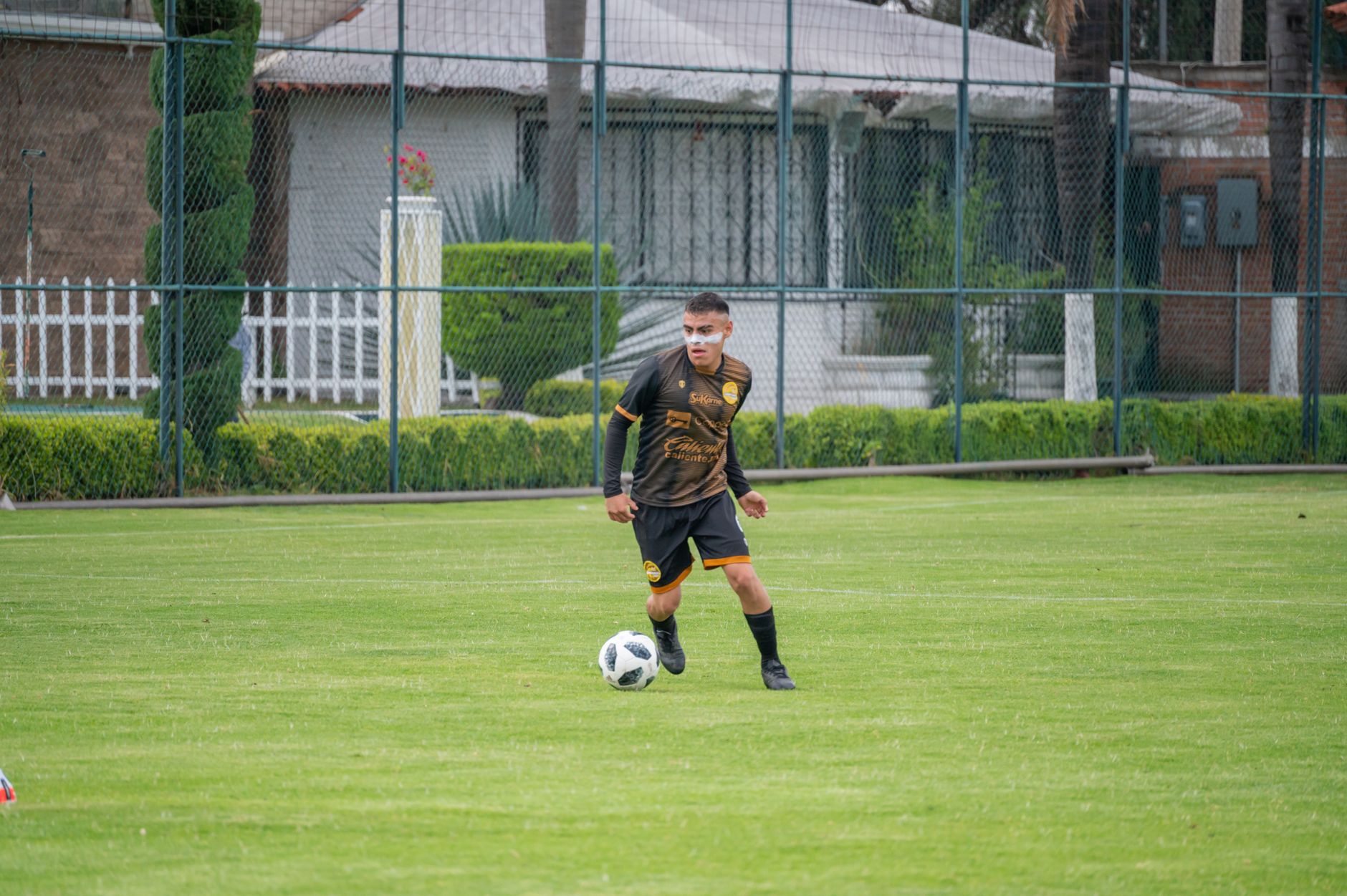
Photo by Israel Torres on Pexels
Want a deeper breakdown before you place your next match prediction? Stadium View covers every angle of the 2026 tournament.
What Did I Watch in Mexico vs South Africa?
I watched the 2026 FIFA World Cup opening match on June 12, 2026, where Mexico defeated South Africa 2-0 in a game that featured three red cards and two well-taken goals. The contest was a tactical study of Mexico's structured 4-3-3 against South Africa's physical 4-4-2, and the final scoreboard actually understates how thoroughly El Tri controlled territory.
Mexico opened the tournament the way their manager promised: high pressing, narrow midfield rotations, and width provided almost exclusively by the fullbacks. South Africa, managed to keep things compact for the first 20 minutes, but once Mexico's first goal landed in the 27th minute, Hugo Broos's side started chasing the game with longer balls that played straight into Cesar Montes and Johan Vasquez's aerial duels. By halftime, the expected-goals ledger already read roughly 1.6 to 0.4 in Mexico's favor, per the post-match Flashscore summary.
The second half got ugly fast. A second Mexico goal made it 2-0, then came the three red cards — one for South Africa early in the second half, two more (one from each bench area) in the final 20 minutes. The referee had no choice but to pull color repeatedly, and by the 80th minute both teams were playing with 10 men. If you wanted a clean tactical review, the last 25 minutes offered almost nothing. That's the only meaningful complaint I have about this fixture as a spectacle.
Want a closer look at how Mexico's group rivals are shaping up? Check our [Internal Link: World Cup 2026 group stage predictions] for the full picture.
What Did the Pre-Match Setup Tell Us?
The pre-match numbers made the result feel almost inevitable: Mexico entered at FIFA ranking 14, South Africa at 60 — a 46-place gap that translated directly into squad depth, European-based starters, and tournament experience. According to FIFA's official ranking page, El Tri had played 22 World Cup matches since 2010 without an opening-match defeat, while Bafana Bafana had lost 7 of their last 9 tournament openers across confederation play.
South Africa's path to the 2026 tournament was grueling — they finished top of their CAF qualifying group after a controversial penalty decision in stoppage time of the final match — and many analysts viewed them as one of the weakest seeded sides in the draw. Mexico, by contrast, came through CONCACAF comfortably and used a December 2025 friendly cycle to test the exact 4-3-3 shape they deployed on June 12. Their manager stuck with the same back four that started against Uruguay in March 2026, with only one enforced change in central midfield.
The venue, kickoff time, and broadcast context also mattered. A 03:00 local kickoff is brutal for any team's pre-match routine, but Mexico's staff had publicly leaned into the timezone disruption as a tactical equalizer, while South Africa reportedly arrived only 48 hours before kickoff. For a comprehensive breakdown of how these factors shape outcomes, our [Internal Link: Mexico national team tactical analysis] goes much deeper.

Photo by Uzay Yildirim on Pexels
Where Did Mexico's Tactics Hold Up?
Mexico's 4-3-3 held up almost everywhere except the final 20 minutes, when numerical chaos replaced structure. The midfield triangle — Guardado anchoring, Álvarez and Chávez rotating ahead — won second balls consistently and pushed South Africa's double pivot into uncomfortable wide positions. Fullbacks Jorge Sánchez and Jesús Gallardo overlapped aggressively, creating the width that Mexico's narrow forwards needed to attack the channels.
The two goals came from textbook 4-3-3 patterns. The first was a cutback from the right channel after a fullback overlap; the second was a quick vertical transition that caught South Africa's center-backs stepping out. Neither required individual brilliance — both were the product of rehearsed patterns that South Africa simply couldn't disrupt. For more on how these patterns fit Mexico's longer-term project, see our [Internal Link: 2026 World Cup schedule and fixtures] hub.
Set-piece defending, often Mexico's weakness in qualifying, also looked improved. South Africa generated only one clear header from a corner all match, and it came in the 88th minute — long after the game was decided. Goalkeeper Ángel Malagón had a quiet evening, which is exactly what El Tri's structure is designed to produce.
Ready to see how these tactical patterns stack up against Mexico's next opponent?
Where Did the Match Fall Apart?
The match fell apart in the second half, where discipline replaced football as the dominant storyline. Three red cards in 25 minutes — one for South Africa's right-back after a second yellow on a tactical foul, then one each for a Mexico substitute and a South Africa coach — turned the final quarter into a stop-start procession of free kicks and substitutions. The 2026 World Cup is the first tournament where FIFA's revised disciplinary guidelines explicitly warn that "accumulated cautions across group-stage matches carry forward into the knockout rounds," per the [official FIFA tournament regulations](https://en.wikipedia.org/wiki/2026_FIFA_World_C